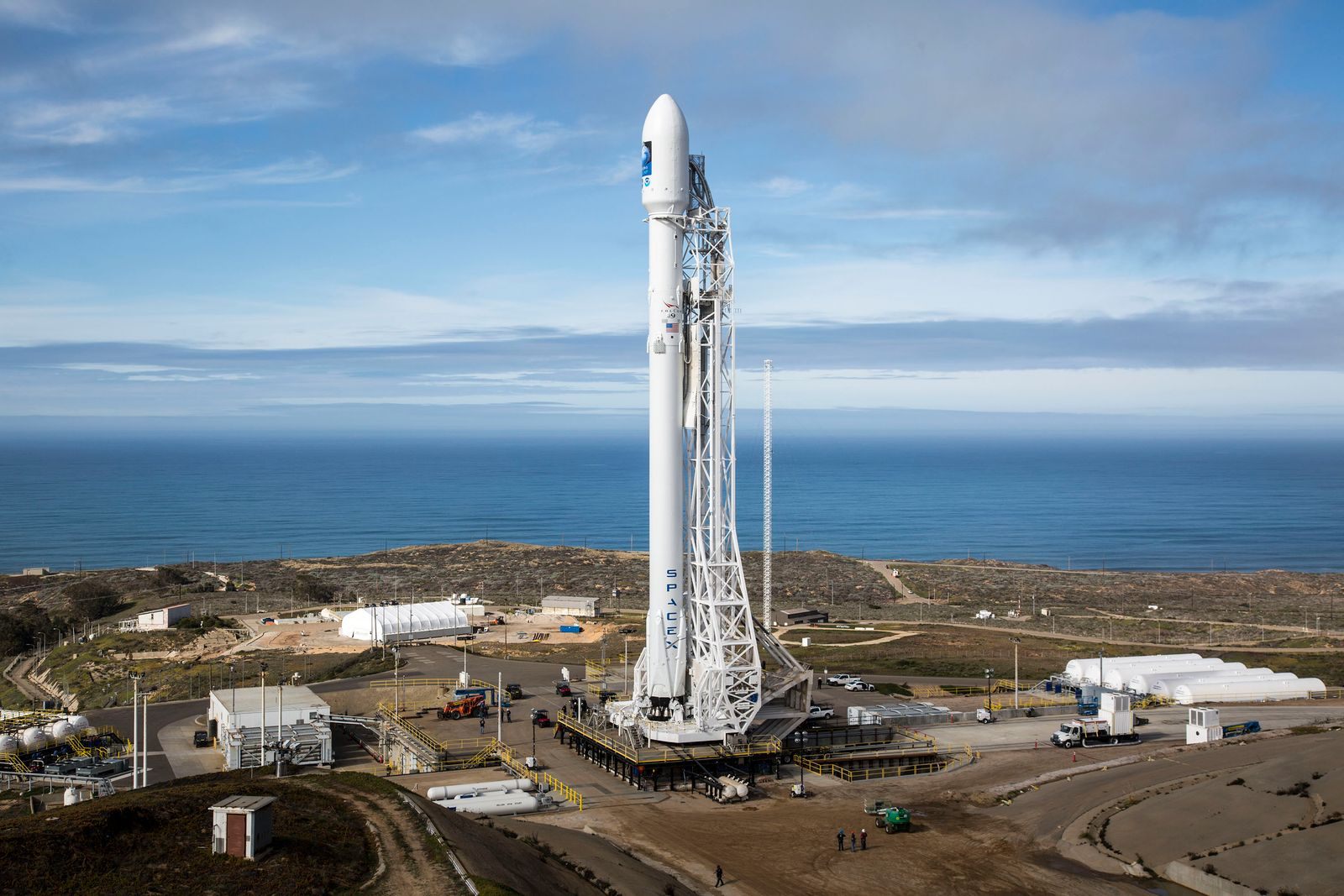
Suborbital vs Orbital Flights
A few minutes over the top, or days circling the Earth.
Plan a Space Coast TripTwo Very Different Kinds of Spaceflight
Both are called space tourism, but a suborbital hop and an orbital mission have about as much in common as a scenic flight and a transatlantic voyage. The difference is speed.
| Suborbital flight | Orbital flight | |
|---|---|---|
| What happens | Straight up past the edge of space and back down on an arc | Fast enough to keep falling around the Earth |
| Time in space | A few minutes of weightlessness | Days, circling the Earth many times |
| Vehicles flown by tourists | Blue Origin New Shepard (paused 2026), Virgin Galactic spaceplanes | SpaceX Crew Dragon, earlier the Russian Soyuz |
| Training | Days | Months |
| Where you would see it launch | West Texas, southern New Mexico | Kennedy Space Center and Cape Canaveral, Florida |
Suborbital: Up, Over and Down
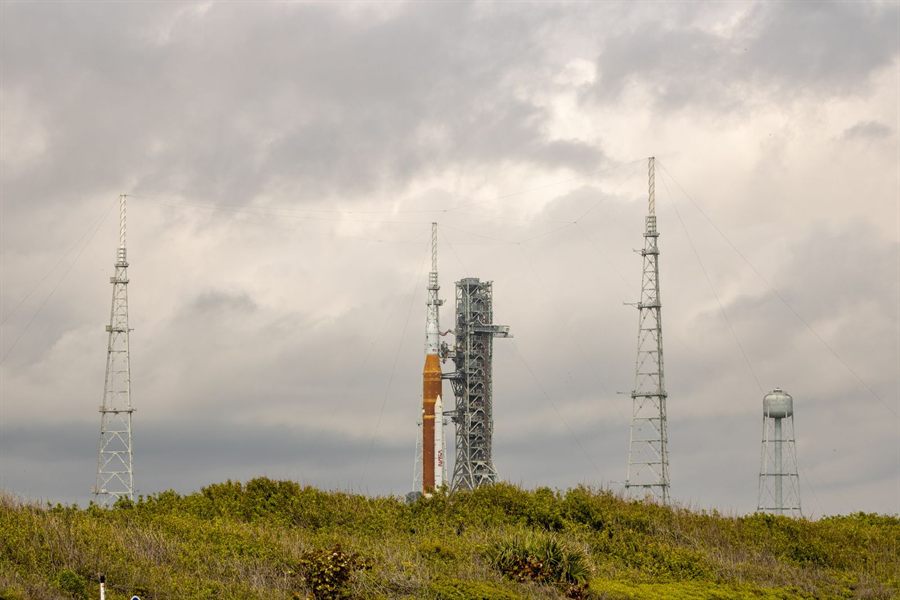
A suborbital vehicle climbs steeply, shuts down its engine and coasts over the top of an arc. For a few minutes everyone on board is weightless and can look down at the curve of the Earth against a black sky. Then the capsule or spaceplane falls back, slows in the thicker air and lands — under parachutes in Blue Origin's case, on a runway in Virgin Galactic's.
The whole trip takes minutes, which keeps training short. It is the closest thing to a "space flight" a non-astronaut can buy, and both U.S. suborbital programs were paused or rebuilding in 2026.
Orbital: Days Above the Atmosphere
To stay up, a spacecraft has to reach roughly 17,500 miles per hour sideways. That takes a large rocket such as SpaceX's Falcon 9, a capsule with life support for days, and a crew trained for emergencies. Private orbital missions have ranged from free-flying trips of a few days to Axiom stays aboard the International Space Station of up to about two weeks.
- Medical screening is part of every program, and so is a frank briefing on risk.
- Training covers the spacecraft, suits, emergency drills and working in weightlessness.
- Launch and landing: Crew Dragon launches from Florida and splashes down at sea.
Weightlessness can be sampled without leaving the atmosphere: a zero gravity flight on a modified airliner gives about the same feeling in short bursts.
Frequently Asked Questions
Where does space begin?
There is no single legal line. The Karman line at 100 kilometers (about 62 miles) is widely used internationally, while U.S. agencies have long used 50 miles. Suborbital tourist flights have been designed to cross one or both.
How long is a suborbital flight?
From launch to landing, minutes rather than hours, with only a few minutes of weightlessness at the top of the arc. An orbital flight lasts days.
Do space tourists need training?
Yes, though how much depends on the flight. Suborbital passengers have trained for days; orbital crews train for months on emergency procedures, the spacecraft and life in weightlessness, and pass medical screening.
Watch an Orbital Launch in Person
Most orbital launches leave from Florida. Tell us your dates and we will plan the trip.
Get Free Trip Quotes